

In today’s fast-moving world, your customers are online — searching, scrolling, comparing, and buying. If your business isn’t visible where they spend their time, you’re leaving opportunities on the table. That’s where digital marketing comes in.
Whether you’re a startup, a small business, or an established brand, digital marketing helps you connect with the right audience, at the right time, with the right message.
In this complete guide, we’ll break down everything you need to know about digital marketing in a simple, educational, and practical way. pakistansmmpanel
What is Digital Marketing?
Digital marketing is the promotion of products or services using online platforms and digital technologies such as:
- Search engines (Google, Bing)
- Social media (Facebook, Instagram, LinkedIn)
- Email marketing
- Websites and blogs
- Paid advertising (PPC)
- Mobile apps
Unlike traditional marketing (TV, newspapers, billboards), digital marketing allows you to track results in real time, target specific audiences, and optimize campaigns for better performance. pakistansmmpanel
Why Digital Marketing is Important in 2026
Here’s why digital marketing matters more than ever: pakistansmmpanel
1. Your Audience is Online
More than half of the global population uses the internet daily. People research products before buying — even for local services.
2. Cost-Effective Marketing
Compared to traditional ads, digital marketing offers better ROI (Return on Investment), especially for small businesses. pakistansmmpanel
3. Targeted Advertising
You can target users based on:
- Age
- Location
- Interests
- Behavior
- Search intent
4. Measurable Results
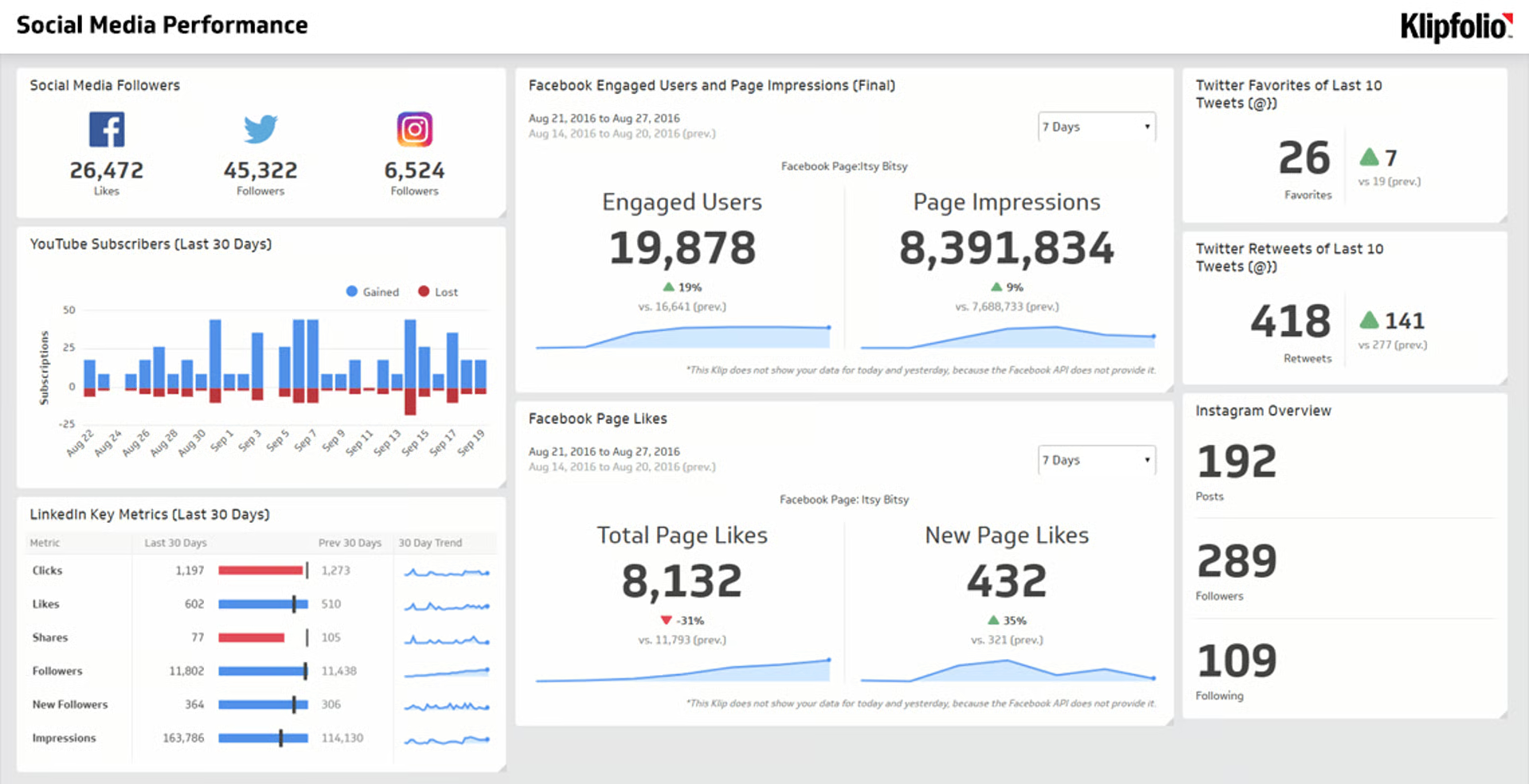
With tools like analytics dashboards, you can measure:
Website traffic
Conversions
Click-through rates
Engagement
Sales performance
Core Components of Digital Marketing
Let’s explore the major pillars of digital marketing.
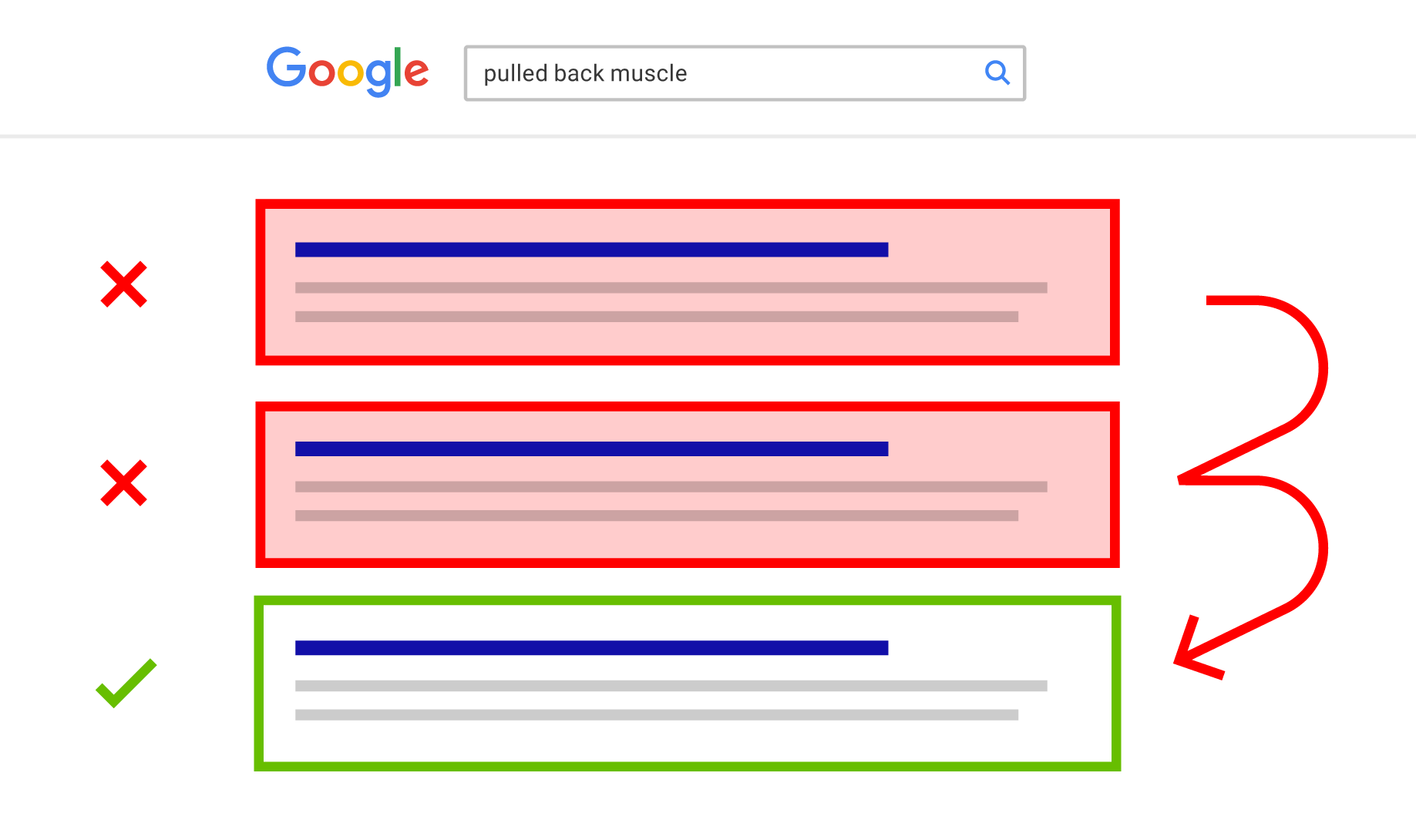
1. Search Engine Optimization (SEO)

4
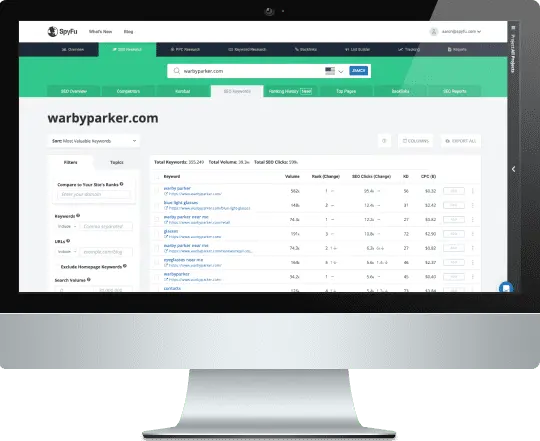
SEO (Search Engine Optimization) is the process of optimizing your website to rank higher on search engines like Google.
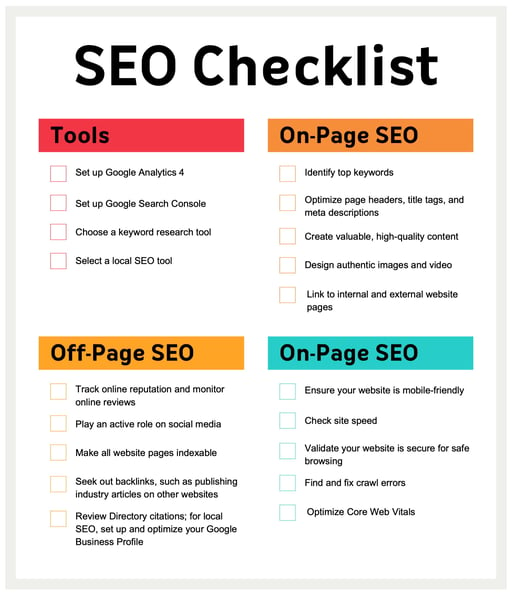
Types of SEO:
- On-Page SEO – Optimizing content, keywords, meta descriptions
- Off-Page SEO – Backlinks and authority building
- Technical SEO – Website speed, mobile optimization, indexing
Why SEO Matters:
- Free organic traffic
- Long-term results
- Builds credibility and trust
💡 Pro Tip: Focus on solving user problems, not just ranking for keywords.
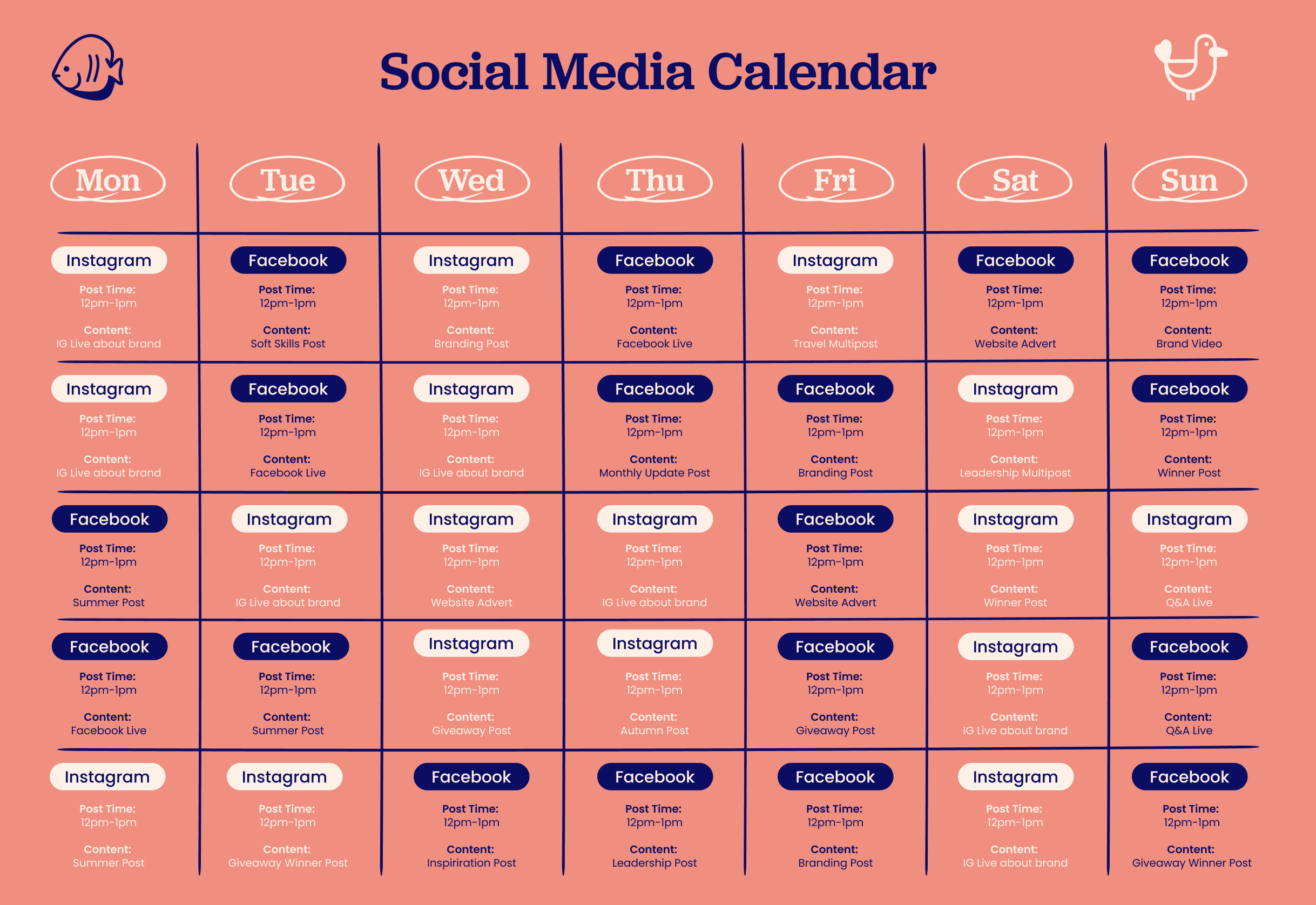
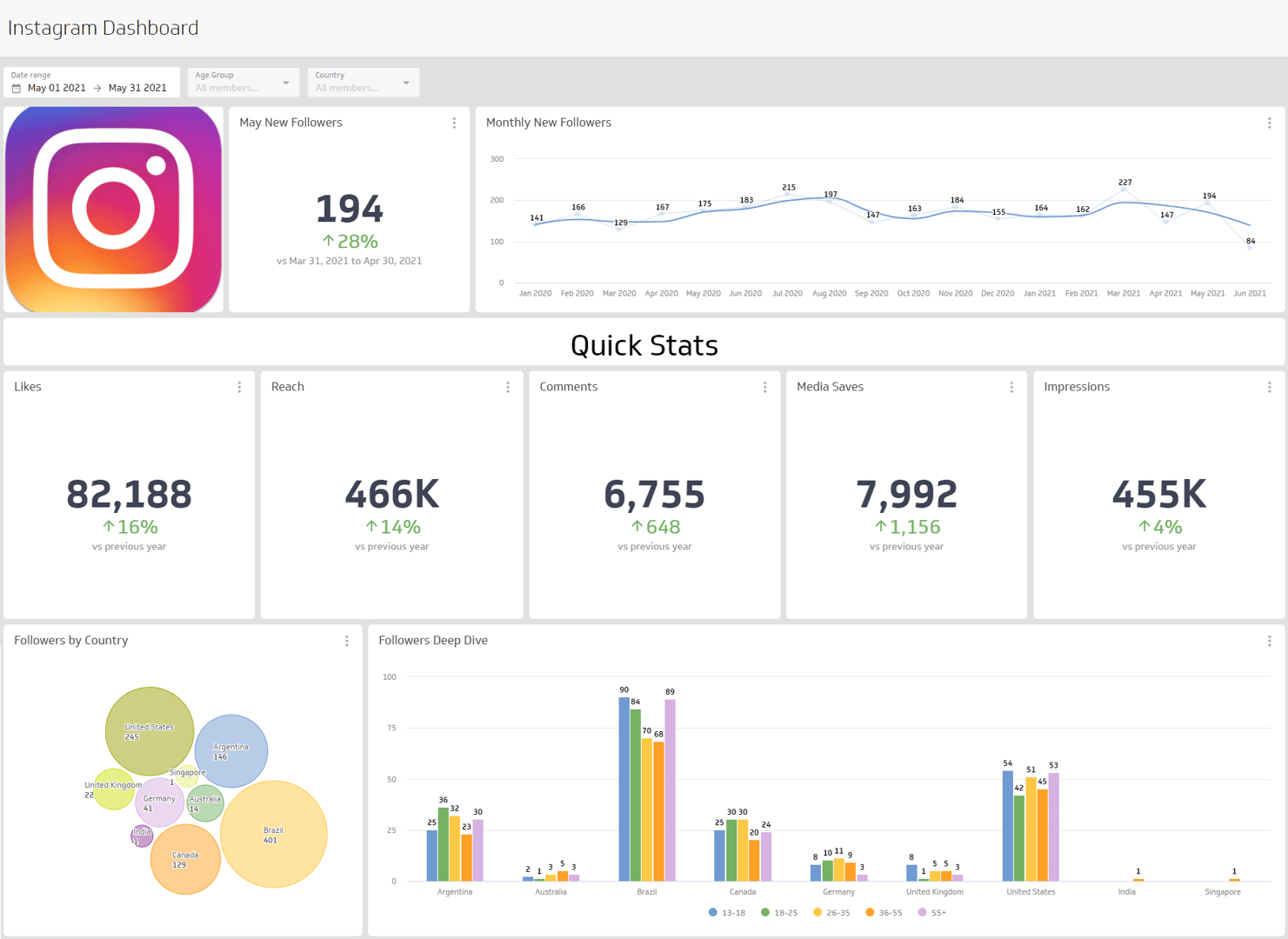
2. Social Media Marketing (SMM)
4
Social media marketing involves promoting your brand on platforms like:
- TikTok
- Twitter (X)
Benefits:
- Brand awareness
- Community building
- Lead generation
- Direct engagement with customers
Consistency and authentic communication are key to success.
3. Content Marketing
Content marketing focuses on creating valuable and helpful content such as:
- Blog posts
- Videos
- Infographics
- E-books
- Case studies
Good content:
- Educates
- Solves problems
- Builds authority
- Improves SEO
Remember: Content is not about selling — it’s about helping.
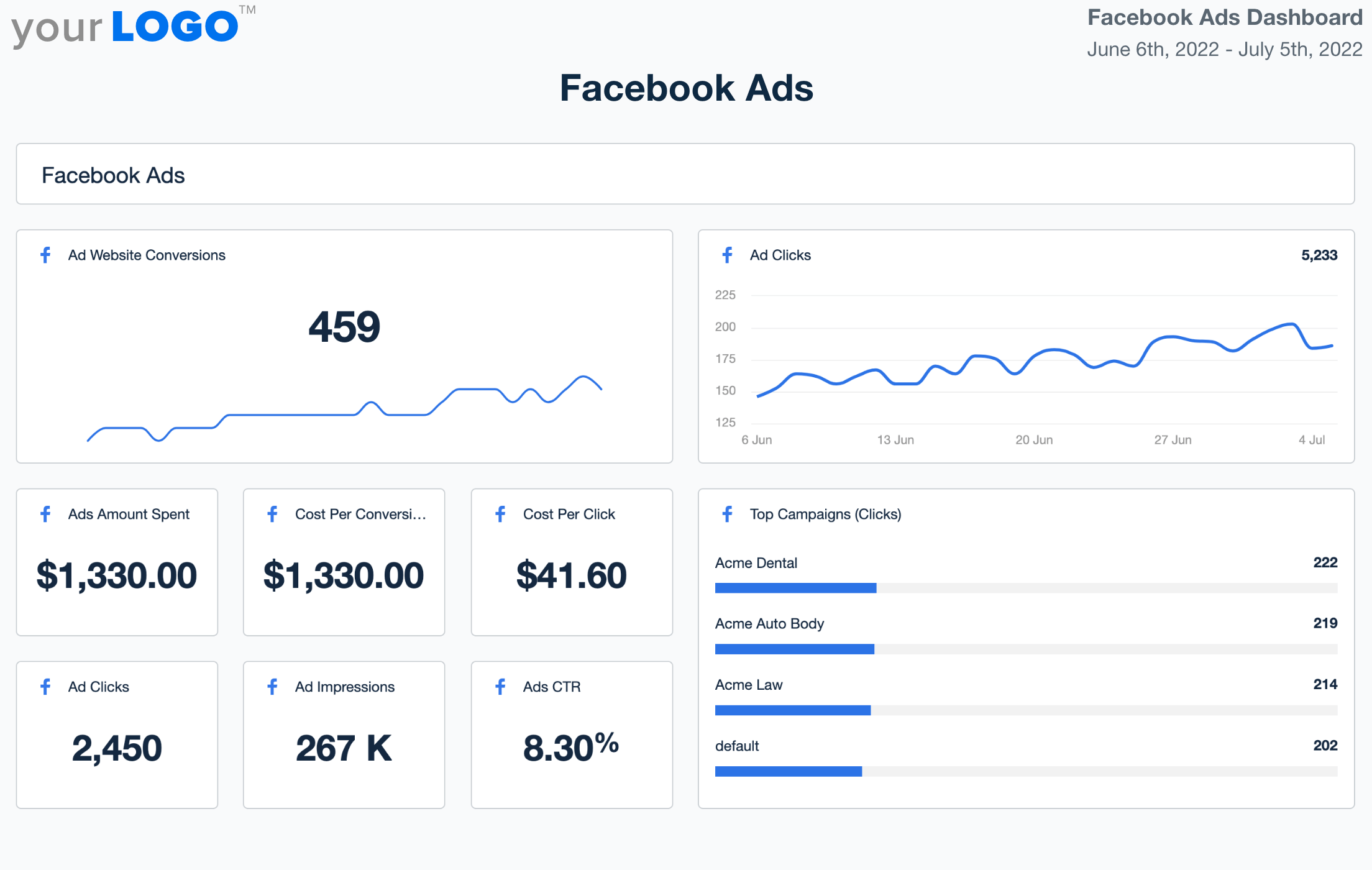
4. Pay-Per-Click Advertising (PPC)

4
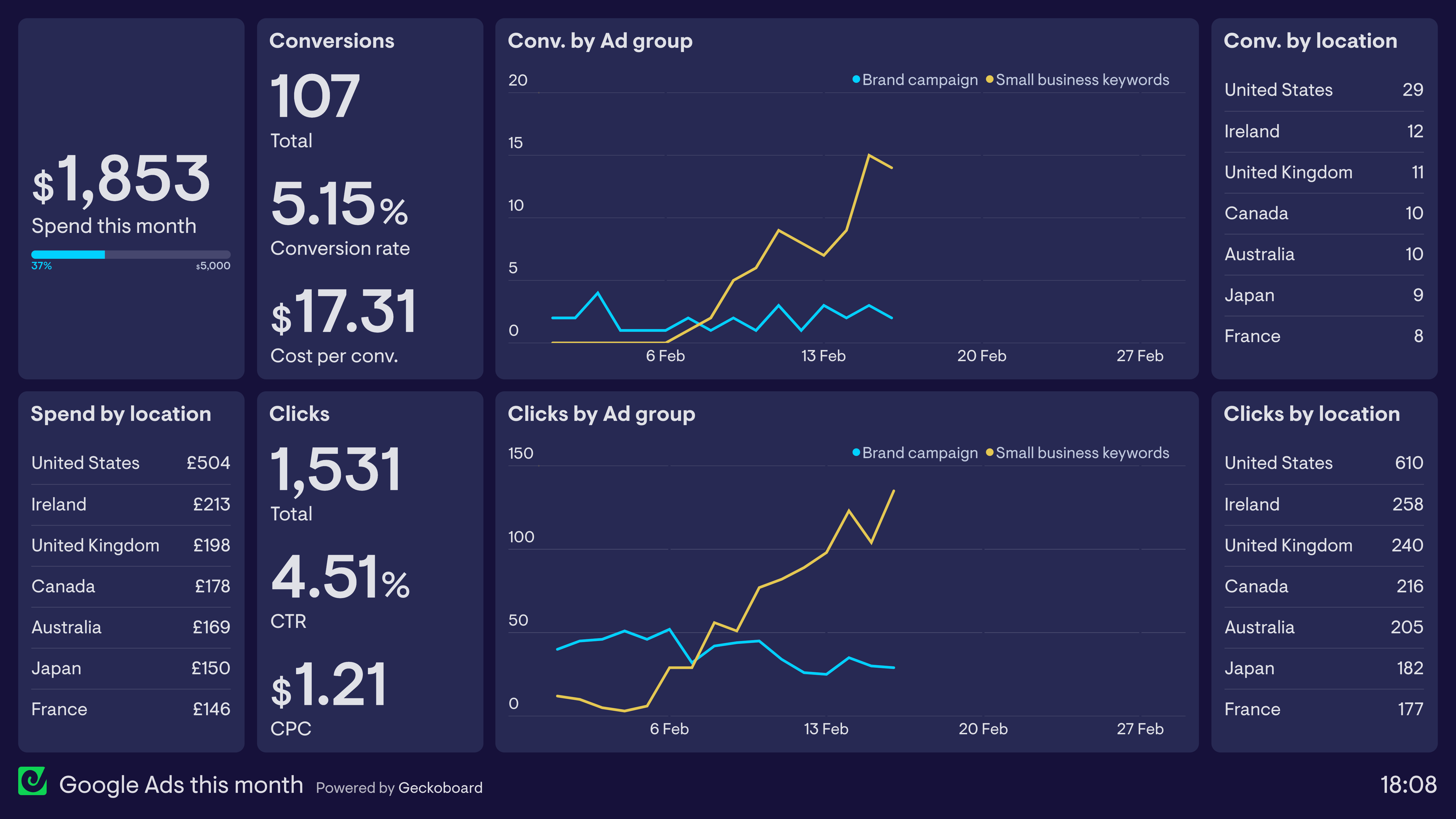
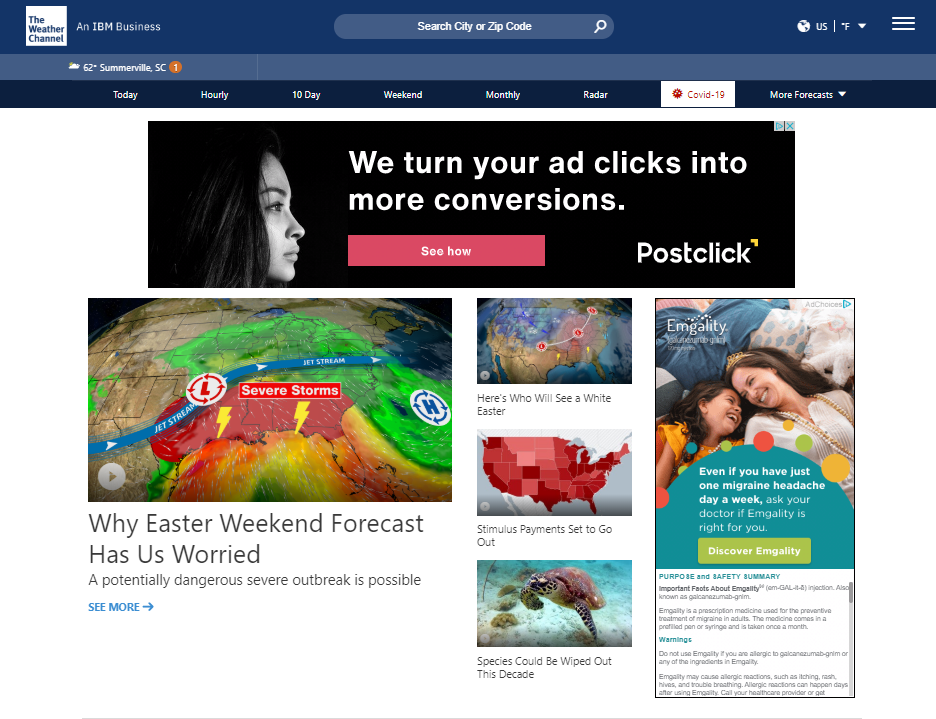
PPC allows businesses to pay for traffic through ads.
Popular platforms:
- Google Ads
- Facebook Ads
- YouTube Ads
- LinkedIn Ads
Advantages:
- Instant traffic
- Highly targeted campaigns
- Quick testing of offers
Unlike SEO, PPC provides immediate visibility.
5. Email Marketing
Email marketing remains one of the highest ROI channels in digital marketing.
Uses include:
- Newsletters
- Promotions
- Product launches
- Customer retention
- Automated sales funnels
Personalization and segmentation increase open rates and conversions.
6. Affiliate & Influencer Marketing
Brands collaborate with influencers or affiliates who promote products in exchange for commission.
Benefits:
- Expands reach
- Builds trust through social proof
- Increases conversions
How to Create a Digital Marketing Strategy
Here’s a simple 7-step process:
Step 1: Define Clear Goals
Examples:
- Increase website traffic
- Generate leads
- Boost sales
- Improve brand awareness
Step 2: Identify Your Target Audience
Understand:
- Demographics
- Interests
- Pain points
- Online behavior
Step 3: Analyze Competitors
Study:
- Their keywords
- Social media presence
- Ad strategies
- Content style
Step 4: Choose the Right Channels
Not every platform suits every business.
Step 5: Create High-Quality Content
Focus on:
- Value
- Clarity
- Consistency
- SEO optimization
Step 6: Launch Campaigns
Test different creatives, headlines, and offers.
Step 7: Monitor & Optimize
Track performance and improve weak areas.
Latest Digital Marketing Trends (2026)
- AI-powered marketing automation
- Voice search optimization
- Short-form video content
- Personalized customer experiences
- Conversational marketing (chatbots)
Staying updated is critical for long-term success.
Common Digital Marketing Mistakes to Avoid
❌ Ignoring SEO
❌ Posting without strategy
❌ Not tracking analytics
❌ Targeting everyone
❌ Focusing only on sales
Successful marketing builds relationships first.
Final Thoughts pakistansmmpanel
Digital marketing is not just about ads and posts — it’s about building meaningful connections with your audience.
If done correctly, digital marketing can:
- Grow your brand
- Increase revenue
- Build loyal customers
- Scale your business globally
The key is consistency, creativity, and data-driven decisions.